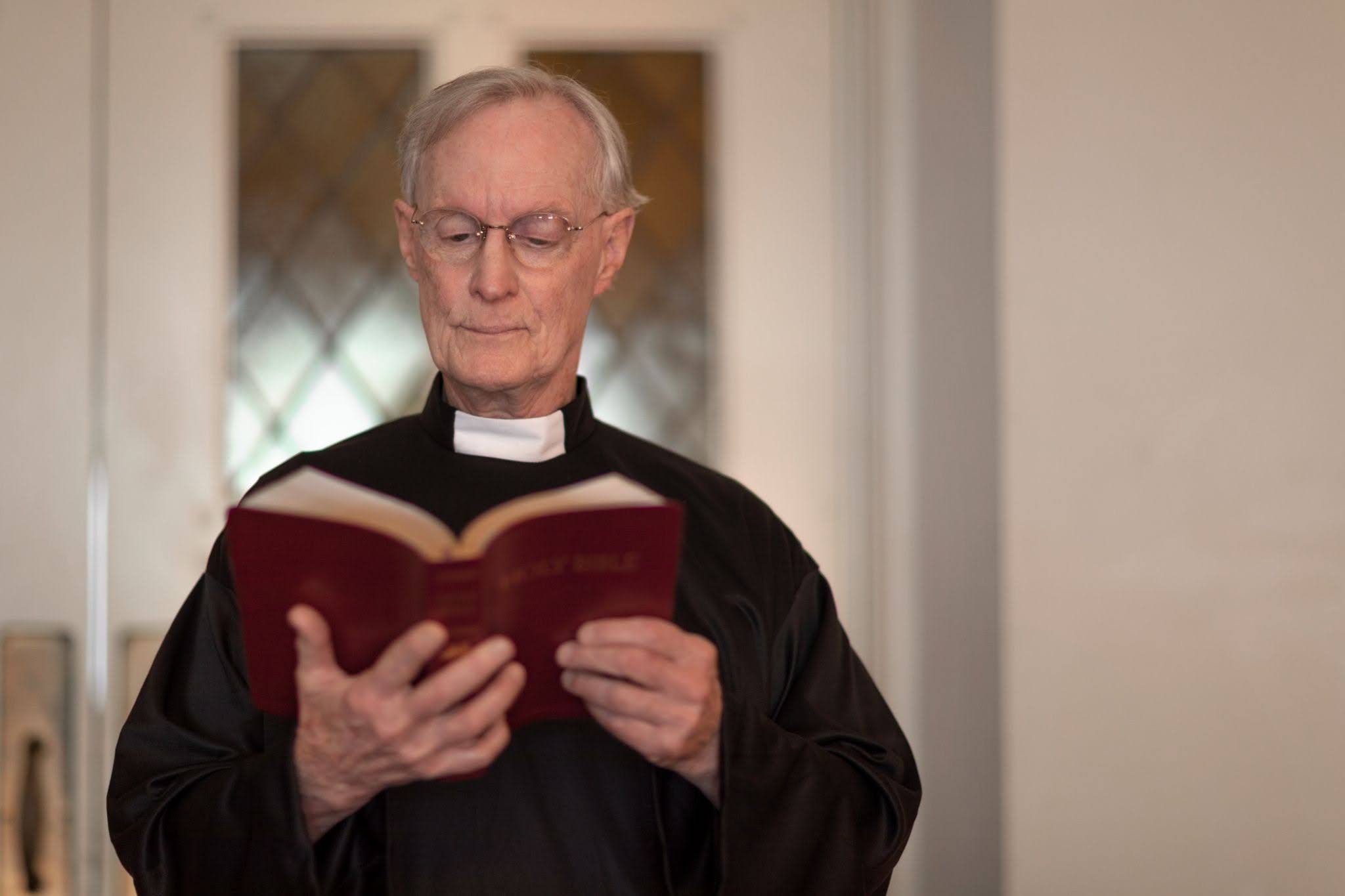
Ask any minister which question children put to them most often, and the answer rarely involves theology. It is almost always about the outfit. Why the white bit at your neck? Why is everything black? Why do you dress differently to my teacher?
Children notice clothing before they notice anything else, and clergy clothing is designed to be noticed. Every piece, from the collar to the black clergy shirt underneath it, carries a meaning that goes back hundreds of years. Far from being a uniform for uniform's sake, it is a walking picture book of what ministry is about.
Below is a simple guide for parents, teachers, and ministry leaders who want a good answer ready the next time a small voice pipes up mid-service.
The White Collar: A Sign You Can Spot Anywhere
Start with the piece children ask about first. That white band at the neck, sometimes called a dog collar, works a little like a badge. Spot it in a hospital, a school, or a supermarket, and you know instantly that this person is there to help, to listen, and to pray with anyone who needs it.
Explaining it to a child can be as simple as this: a firefighter wears a helmet so you know who to run to in a fire, and a vicar wears a collar so you know who to talk to about the big things in life.
Why Black? The Question Every Child Asks Next
Black can seem like a gloomy choice to a seven-year-old, but the reason behind it is rather lovely. Dark, plain clothing was chosen so that the person wearing it would not stand out. Instead of pointing at the minister, the outfit points past them, towards God and towards the people they serve.
There is a practical side too, which children tend to appreciate. Plain black goes with everything, hides the marks of a busy day, and lets a minister move from a school assembly to a wedding to a hospital ward without ever looking out of place.
Robes, Stoles, and Colours That Change With the Calendar
Sunday brings out the layers, and each one tells its own story.
The Long White Robe
Worn over everything else, the white robe is a picture of being made clean and new. Some children like to hear that it is one of the oldest pieces of Christian clothing there is, stretching right back to the early church.
The Colourful Scarf
Draped around the neck, the stole changes colour with the church seasons: purple while waiting for Christmas and Easter, white for celebrations, green for ordinary time, and red for special days of the Spirit. Sharp-eyed children can learn to read the church calendar just by watching what the vicar wears, which turns every service into a small spotting game.
The Working Wardrobe Nobody Sees on Sunday
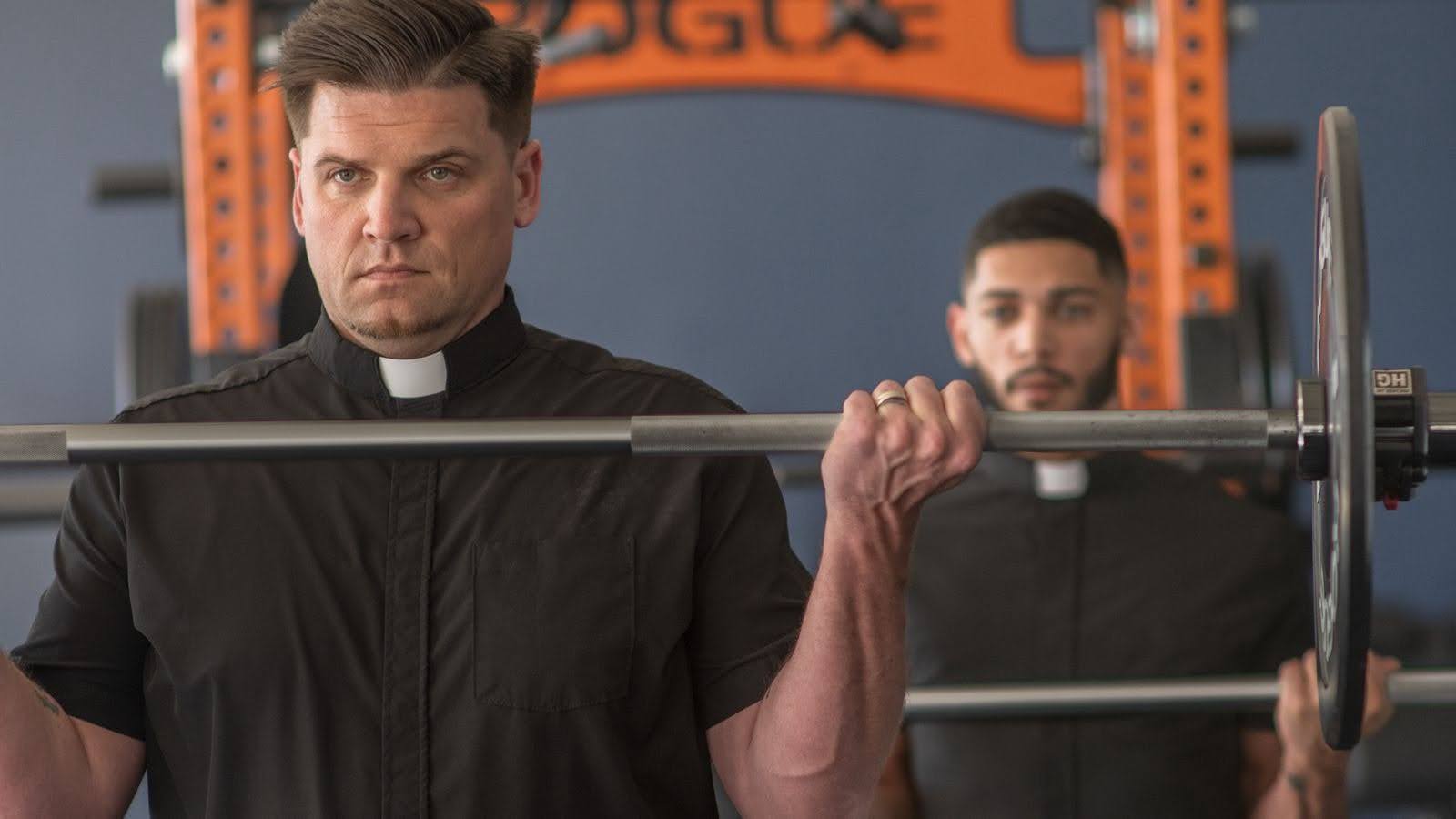
Here is the part most people never think about. Underneath the robes, and on every other day of the week, ministers live in their clergy shirts, and those shirts are put through a remarkable amount.
Anyone who leads children's ministry knows the reality. A morning might involve kneeling on a classroom floor for storytime, then running a messy craft table, then leading songs with actions, then dashing across town for a hospital visit, all in the same shirt. Holiday clubs, youth events, and all-age services are wonderfully lively, and the person leading them barely sits down.
Traditional clergy shirts were never built for that pace. Stiff fabric, trapped heat, and creases by lunchtime made long, active days harder than they needed to be. Modern performance options have changed the picture entirely. Brands like Wicking Vicar make performance clergy shirts with moisture-wicking, stretchy, wrinkle-resistant fabric, so a minister can crawl around a Sunday school floor at nine and still look crisp for a service at six. The traditional look children recognise stays exactly the same; the fabric underneath simply works far harder.
Turning the Question Into a Teaching Moment
The next time a child asks why the vicar dresses that way, treat it as an open door rather than an interruption. Each piece of clothing is a ready-made lesson: the collar speaks of service, the black of humility, the white robe of new life, and the changing colours of the story the church tells across the year.
Children remember what they can see and touch far better than what they only hear. A curious question about a strange outfit might just be the beginning of understanding what ministry, and faith, is really about.